







北上洗牙北上洗牙醫生專業嗎?

《北上洗牙醫生專業嗎?》
Thinking about going “up north” for teeth cleaning? Many people consider crossing the border to Mainland China—places like Shenzhen, Guangzhou, or even farther north—because the price looks friendly and appointments are fast. But are those dentists professional when it comes to scaling (teeth cleaning)? Short answer: many are, but quality can vary. With a bit of homework and realistic expectations, you can get a safe, thorough clean without stress. Let’s break it down in a simple, no-worry way.
What “professional” really means for teeth cleaning
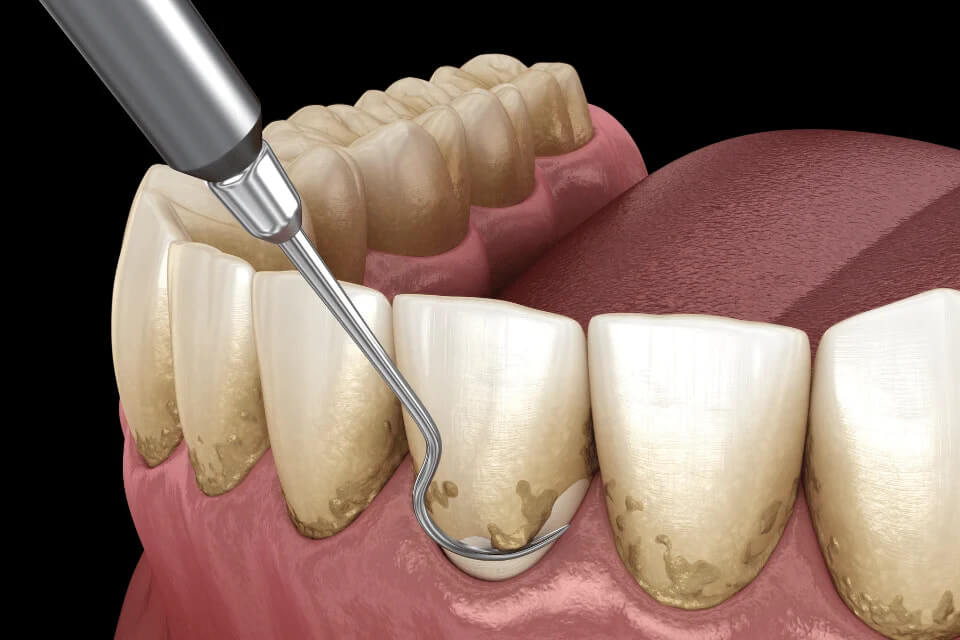
A professional dental scaling isn’t just about a quick polish. It should include:
- A basic oral exam before cleaning to check gum health and cavities
- Use of an ultrasonic scaler to remove tartar, plus hand instruments for fine areas
- Polishing to smooth the tooth surface
- Advice on home care and a suggested follow-up plan
Some clinics also offer fluoride application after cleaning. If you’re getting a “clean” in 10 minutes with no exam and no explanation, that’s a bit “same same but different”—not ideal.
Are dentists up north properly trained?
In larger Mainland Chinese cities, you’ll find many dentists trained at reputable universities with solid clinical experience. Private clinics and hospital dental departments often maintain strict protocols. But, like anywhere, standards vary. One clinic can be excellent, another just so-so. Don’t rely only on price or fancy décor; check the details that matter.
How to check if a clinic is truly professional
- License and credentials: There should be a visible practice license and the dentist’s registration. If you can’t see it, ask politely. No need to be shy.
- Infection control: Look for sealed, sterilized instrument pouches, protective barriers, and fresh gloves/masks. Probes and tips should be clean and, where relevant, disposable.
- Consultation first: A short exam and gum assessment before scaling is a good sign. X-rays may be suggested if there’s heavy tartar below the gumline or signs of gum disease.
- Clear communication: The dentist or hygienist should explain what they’ll do, ask about sensitivity or medical history, and tell you what to expect after the clean.
- Itemized receipt: Request an invoice with procedure names (e.g., prophylaxis/scaling) and clinic details. Useful for insurance or your own records.
What about price?
Yes, scaling up north often costs less than in Hong Kong or some other regions. However, “too cheap” can be a red flag. A fair price usually reflects proper sterilization, good equipment, and enough chair time to do the job right. Don’t chase the lowest number; chase value and safety. Health first—mai pen rai attitude is great for traffic jams, but for gums, better not too sabai.
Language and communication
In major cities, you can often find dentists who speak Mandarin, Cantonese, and sometimes English. Still, it’s smart to prepare:
- Bring a short
note of your concerns (sensitivity, bleeding gums, last cleaning date).
- Learn a few key terms in the local language or have them ready on your phone.
- If you have gum disease history (periodontitis), mention it early so they can plan deeper cleaning if needed.
What the procedure feels like
Most cleanings use an ultrasonic scaler that vibrates to break up tartar. You’ll hear a buzzing sound and feel water spray. It can be a bit sensitive around the gumline, but generally manageable; anaesthesia is rarely necessary for routine scaling. After polishing, your teeth should feel smoother. Mild tenderness for a day or two is normal, especially if tartar was heavy. The clinic should give simple aftercare tips—rinse gently, avoid very hot/cold foods for the day, and brush softly.
Planning a cross-border appointment
- Book ahead and confirm the service: Ask how long the cleaning takes and whether an exam is included.
- Timing: Avoid peak border hours; no need to rush. Aim for a weekday slot if possible.
- Payment: Many clinics accept cards and mobile payments, but check first. Ask about warranty/aftercare policies.
- Follow-up: If they recommend a second visit (e.g., for deep cleaning in quadrants), consider whether you can realistically return.
Clear red flags
- No exam, no questions, and “in-and-out” cleaning in minutes
- Reused-looking items or sloppy hygiene
- Hard sell tactics for whitening or expensive add-ons before they even assess your gums
- No receipt or unclear clinic information
If you see these, better to walk away—plenty of clinics, no worries.
How often should you get scaling?
For most people, every six months is fine. If you have gum issues, your dentist may suggest every three to four months. This schedule doesn’t change just because you cross a border. Keep your records so your next dentist knows what was done.
Pros and cons of going up north
Pros:
- Potential cost savings
- Fast appointments in big cities
- Wide choice of clinics, some very modern
Cons:
- Quality varies; you must vet the clinic
- Travel time and border logistics
- Follow-up visits may be less convenient
Quick checklist before you go
- Verified clinic and dentist credentials
- Clear scope: exam + scaling + polish
- Infection control looks proper
- Language support or notes prepared
- Itemized receipt promised
Bottom line
Are “up north” dentists professional for teeth cleaning? Many are, especially in reputable clinics with strong hygiene standards and clear communication. As with any dental care—Bangkok, Hong Kong, Shenzhen, anywhere—do a little research, ask the right questions, and choose a clinic that treats you with care, not just speed. Same same goal everywhere: clean teeth, healthy gums, and a smile that feels sabai.
Note: This article is for general information only and not medical advice. If you have pain, swelling, or heavy bleeding gums, consult a licensed dentist for a proper assessment.